
Comprehensive Wireless Device Market Analysis By Technology, Form Factor, Region, Segment, Verticals
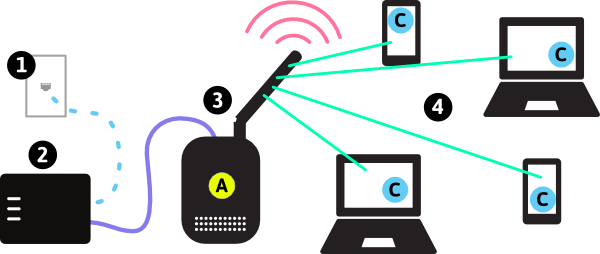
A robust Wireless Device Market Analysis begins by segmenting devices along several key dimensions: radio technology, form factor, end user, and vertical application. By technology, segments include cellular‑enabled devices (smartphones, LTE/5G routers, automotive telematics), Wi‑Fi‑centric devices (routers, laptops, smart TVs), short‑range wireless (Bluetooth audio, wearables, peripherals), LPWAN/IoT modules (NB‑IoT, LTE‑M, LoRa, Sigfox), and specialized RF (UWB, NFC, proprietary ISM‑band). Form factors range from personal devices (phones, tablets, smartwatches, AR glasses) to fixed equipment (routers, access points, smart meters), industrial endpoints (sensors, controllers, gateways), and embedded modules inside appliances, vehicles, and machinery.
Regional analysis reveals distinct adoption patterns. North America and Western Europe exhibit high smartphone and Wi‑Fi penetration, with early 5G device uptake and substantial smart‑home and enterprise wireless deployments. Asia‑Pacific, driven by China, India, South Korea, and Southeast Asia, is a powerhouse for both device manufacturing and consumption, with massive smartphone volumes, rapid 5G expansion, and strong growth in consumer IoT and industrial connectivity. Latin America, the Middle East, and Africa present growing markets where mobile connectivity often leapfrogs fixed infrastructure, making affordable smartphones and wireless broadband devices central to digital inclusion. Local regulations, spectrum allocations, and import policies influence device portfolios and timelines.
Vertically, Wireless Device Market Analysis examines how sectors deploy wireless endpoints. In automotive, telematics units, keyless‑entry systems, and in‑car Wi‑Fi connect vehicles to cloud services. In healthcare, wireless patient monitors, infusion pumps, and asset‑tracking tags support clinical workflows. Manufacturing and logistics employ rugged handhelds, scanners, AGVs, and condition‑monitoring sensors for Industry 4.0 initiatives. Retail leverages wireless POS, inventory scanners, beacons, and digital signage to enhance operations and customer experiences. Public‑sector and smart‑city programs use connected cameras, environmental sensors, and infrastructure controllers to improve safety, mobility, and sustainability.
Competitive dynamics are shaped by device OEMs, chipset vendors, OS providers, and cloud platforms. Smartphone and PC markets are relatively consolidated among a few global brands, while IoT and industrial endpoints remain fragmented with many specialized players. Semiconductor leaders dominate modem and connectivity chip supply, influencing reference designs and time‑to‑market. Operating‑system ecosystems dictate app availability and service models for many wireless devices. Cloud and IoT platforms compete to anchor device data and management, shaping long‑term vendor relationships. Future market analysis must also consider emerging trends like satellite‑to‑device connectivity, private 5G networks, and regulatory shifts around security, privacy, and spectrum that will redefine opportunities and constraints for wireless device stakeholders.
Top Trending Reports:

 English
 Arabic
 French
 Spanish
 Portuguese
 Deutsch
 Dutch
Dutch
 Italiano
 Russian
 Romaian
 Portuguese (Brazil)
 Greek
Greek
